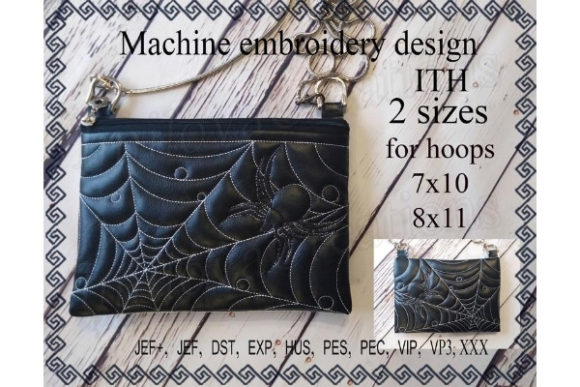
A Cute Spider Embroidery Design for Your Cosmetic Bag
When a design file lands in your library with a name like "Cosmetic Bag – Spider," it immediately sparks a practical question. It’s not just about whether it’s cute—it’s about where this specific character belongs in the real world of stitches and products. As someone who evaluates embroidery files daily for client work and my own small shop, my first thought is about application. This design presents a friendly, almost whimsical spider motif. The mood is sweet and approachable, steering clear of any spooky or scary connotations. That’s a deliberate design choice that opens up a wider range of projects.
Where This Spider Finds Its Home: Perfect Project Matches
The visual personality here is key. It’s not a dense, overly detailed illustration; it feels like a clean, character-driven graphic. This makes it a versatile candidate. I immediately picture it on the actual named product—a cosmetic bag or toiletry pouch—where it would add a personalized, handmade touch. But its usefulness extends far beyond that. Imagine this spider peeking out from the corner of a baby’s blanket or a nursery pillow cover. The sweet theme fits perfectly. It would work beautifully as a small accent on a child’s t-shirt or sweatshirt, perhaps paired with a name or a simple "hello." For crafters running an Etsy shop, this design could transform a simple tea towel or apron into a boutique-ready product, especially around autumn without being strictly "Halloween."
For apparel decorators, consider it for a tote bag design. Its compact layout likely means it won’t require a huge hoop size, making it efficient for batch work on bag panels. As a personalized gift, embroidered onto a handkerchief or a pillow cover for a friend who appreciates quirky charm, it carries a lot of handmade appeal. The design also has strong potential as an embroidered patch. If the stitch density is reasonable, it could be stitched out on twill and applied to caps, jackets, or backpacks, offering great flexibility for small business merchandise.
Stitching It Out: Practical Performance Considerations
In real-life embroidery, success depends on anticipating the challenges. For this design, the small details—like the spider’s legs and any tiny facial features—are the areas to watch. On textured fabrics like a sweater or a canvas tote, fine lines can lose clarity if the stitch type isn’t suited. A running stitch outline might perform better than a satin stitch on such textures. On stretchy fabric, like a t-shirt, using the correct stabilizer is non-negotiable to prevent puckering around the fill stitch areas of the spider’s body.
Dark fabric presents a classic test. A design with this level of detail needs good thread color contrast. Before committing, I always advise testing on a scrap of the actual project fabric. Does the chosen thread pop, or do the details get lost? For curved surfaces like caps, the design’s compactness is an advantage, but you must still ensure the hoop size matches the cap frame and that any dense stitch areas don’t create stiffness on the curved panel.
When to Use With Extra Care
Some applications demand a more careful approach. If the design contains very tiny lettering or intricate decorative accents (beyond the basic spider shape), it might struggle on thin fabrics like lightweight linen, where stitch density can show through the back. Similarly, for products destined for frequent washing, like baby clothes or kitchen towels, you want a robust stitch structure that won’t fray. Checking the actual embroidery file for overly dense fill stitches or extremely thin satin stitch borders is a crucial step before using it on such items. For layered garments with seams, like the pocket area of a sweatshirt, positioning is everything to avoid sewing over a bulky seam.
The Impact on Your Work and Your Customers
Using a well-executed design like this affects more than just the stitch-out. It boosts the perceived value of your finished product. A clean, cheerful embroidery design on a handmade cosmetic bag elevates it from a simple pouch to a thoughtful gift. For customers, it builds trust—they see a professional, crisp result, not a messy or unclear image. This is vital for Etsy sellers and craft fair vendors where presentation is everything.
For brand consistency, if your shop leans into sweet, animal-themed, or whimsical aesthetics, this spider can become a cohesive design asset. Its giftability is high, especially for niche audiences who love unique, non-mass-produced items. In a digital product preview or printable mockup for your online store, a design with clear visual appeal like this engages buyers more effectively, helping them visualize the final embroidered product.
Essential Designer Notes Before You Hoop Up
Before loading this machine embroidery design for any project, run your standard checks. Stitch it out on a scrap of your intended fabric first. This test reveals everything: thread color contrast, stitch density behavior, and whether any small details need adjustment. Compare how it looks on both light and dark background scraps. If you’re creating products for commercial sale, such as tote bags or patches for your small shop, confirm the licensing terms of the embroidery file. Some files are for personal use only, while others allow commercial use of the finished product. Never assume.
Always use the proper stabilizer for your fabric type; it’s the foundation of a clean result. Consider testing the design in a simple black-and-white mockup to see how it translates as a graphic—this helps judge its clarity without color. And finally, think about the hoop size. While the design seems naturally suited for a smaller hoop given its cosmetic bag name, verifying the required minimum hoop size in the file itself is a must to avoid technical issues. Taking these steps ensures that "Cosmetic Bag – Spider" transitions smoothly from a digital file in your library to a beautiful, reliable element on your next handmade product, custom apparel, or personalized gift.