Embroidery Designer's Review: Sun Flower Cover
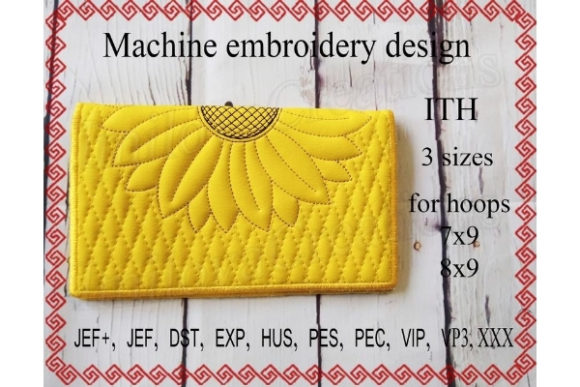
As an embroidery designer preparing for a craft fair, my first job is to evaluate a design’s potential as a physical, sellable product. When I look at the Cover for Planning in the Hoop – Sun Flower design, my immediate impression is rustic charm with a touch of elegance. The title suggests a nature-inspired, possibly farmhouse-friendly motif. This isn’t a loud, funny design; it’s decorative and soft, which gives it a wide appeal. It feels premium in the sense that a well-executed sunflower can elevate a simple item into a giftable handmade product. For a weekend market booth filled with tote bags, aprons, and pillow covers, this design promises a classic, warm aesthetic that customers recognize and gravitate toward.
Where This Sunflower Design Stands Out on Products
My display table is a mix of items, and I need to know exactly where to place this embroidery file to maximize sales. The Cover for Planning in the Hoop – Sun Flower is, I believe, a versatile focal point. On a canvas tote bag or a market bag, it becomes a beautiful, understated statement. On a kitchen apron or a tea towel, it leans perfectly into that cozy, rustic kitchen vibe that sells so well. A small fabric pouch or a pillow cover with this design feels intentionally crafted—it adds value.
For embroidered patches, this could be a winner, but careful-use notes come into play. Sunflowers often have dense centers and layered petals. If the design has very tiny details or small lettering (as some “planning” motifs might), shrinking it for a patch might lose clarity. It’s crucial to test the design on scrap fabric at the intended size first. On curved surfaces like caps, the stitch density and stabilizer choice become paramount to prevent puckering. On dark fabric, thread contrast is everything; a bright yellow and brown palette would need to pop.
Practical Production for Craft Fair Batch Work
When producing for a fair, I think about repeatability. Can I efficiently batch-produce 20 tea towels with this same design? The Cover for Planning in the Hoop – Sun Flower seems like it would work if the design is well-spaced and doesn’t have overwhelming stitch density that slows down the machine. High density on textured towels can also be tricky. Before committing, I always create at least one real mockup on the final product fabric—not just a digital mockup. This tells me if the threads look vibrant and if the design sits well on the fabric texture.
Photography for Etsy listings or online shops is another key concern. A sunflower is naturally photogenic; it’s a familiar, pleasing shape that draws the eye in a thumbnail. This design should photograph beautifully on finished products, adding to that handmade quality appeal. For a booth display itself, a large, beautifully embroidered pillow cover with this design can act as a strong visual anchor, attracting customers to the table.
Selling Points: Customer Attention and Product Value
From a selling perspective, this design affects customer engagement by being instantly understandable. A sunflower doesn’t need explanation; it conveys warmth, nature, and home. That immediate recognition is gold at a busy fair. It also boosts perceived product value. A plain tea towel is utilitarian; one adorned with a high-quality sunflower embroidery feels like a small shop product worth a higher price.
For brand consistency, if your booth leans toward rustic, farmhouse, or garden-themed goods, the Cover for Planning in the Hoop – Sun Flower fits seamlessly. It helps create a cohesive display story. However, I must advise: before any production for commercial embroidery, always confirm the commercial licensing of the digital embroidery file. The product description mentions it’s ready for your next sewing project, but the specific license terms are essential for sellers.
A Designer's Hands-On Checklist Before the Fair
- Test Hoop Size: Run the design in the recommended hoop size on your actual machine to check for any registration issues.
- Review Spacing and Density: Look for overly dense stitch areas in the flower center or petals that might require specific stabilizer strategies.
- Compare Fabric Colors: Stitch samples on light, dark, and neutral fabrics to see how the thread colors perform. A perfect sunflower on white might look different on beige linen.
- Check for Small Accents: If the design includes any text or very fine lines, evaluate if they remain crisp at your intended product size. Sometimes a design meant as a large focal point loses integrity when miniaturized for a pouch.
- Plan Your Product Range: Decide where it shines brightest. Based on my mockup, I might prioritize tote bag designs and apron embroidery as my primary products, with tea towel embroidery as a simpler, faster batch item.
In conclusion, the Cover for Planning in the Hoop – Sun Flower embroidery design has strong potential for craft fair sellers and handmade shop owners. Its aesthetic is broadly appealing, and it can transform basic items into standout products. Its success, however, hinges entirely on practical embroidery execution. By thoroughly testing the design on real products, checking thread contrast, and respecting the technical details of stitch density and fabric type, you can turn this high-quality embroidery file into a reliable, attractive product that draws customers to your booth and adds meaningful value to your handmade product line.