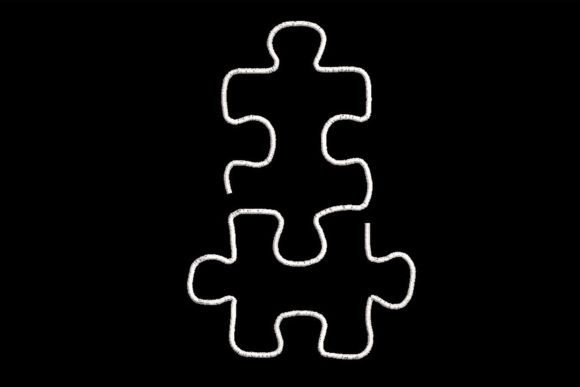
Why This Minimalist Puzzle Line Design Became My New Favorite for Quick Gifts
As someone who designs and stitches custom gifts every day, I have a simple test for any new embroidery pattern: does it make a beautiful, meaningful finished product that a customer will love? Before I add a design to my shop’s offerings, I stitch it myself, imagining the real-world scenarios where it might live—on a baby blanket, a kitchen towel, a wedding keepsake pillow. This week, I tested the Minimalistic One Line Puzzle design specifically for that purpose. Here’s my honest, practical review from the perspective of a professional embroidery designer planning to use it for personalized gift products.
First Stitch: The Quiet Charm of a Single Continuous Line
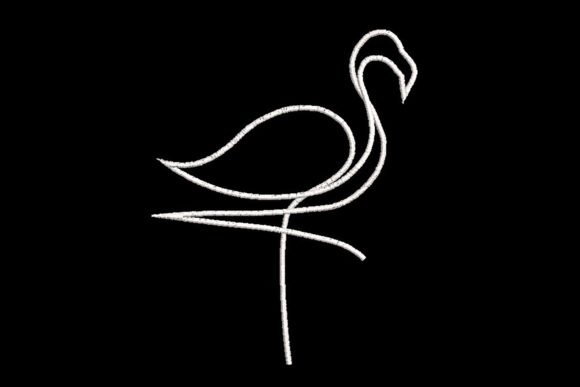
My first impression upon stitching the Minimalistic One Line Puzzle was its serene, modern elegance. It’s playful yet sophisticated, carrying a gentle, handmade charm without being overly fussy. The emotional appeal is subtle but strong; it feels classic, clever, and deeply personal. It’s the kind of design that whispers rather than shouts, perfect for creating an emotional connection through simplicity. This isn’t a seasonal or overly romantic motif—it’s a timeless, clean shape that invites the viewer to complete the picture in their mind, making it wonderfully versatile.
For a gift shop, this mood is a major asset. A customer looking for a baby embroidery gift isn’t always seeking loud, cartoonish characters. They might want something sweet and modern for a nursery item, like a blanket corner or a wall hanging. A couple might desire a wedding gift that’s elegant and symbolic, not overtly floral. This single-line puzzle fits those niches perfectly, offering perceived value through its thoughtful simplicity rather than through dense, time-consuming detail.
From Digital File to Finished Gift: Where This Design Excels
Let’s talk applications. The stated 4″ x 4″ hoop size and the very low stitch count make this an incredibly quick embroidery project. That speed translates directly into business efficiency for Etsy sellers, craft fair vendors, and small shop owners. I envisioned and planned for several finished products during my test.
- Baby & Nursery: Stitched in a soft white or pastel thread on a corner of a muslin blanket, or onto a simple cotton bib. It becomes a modern heirloom.
- Wedding & Family Keepsakes: Embroidered onto a linen pillow cover or the cuff of a tea towel as a subtle, artistic symbol of connection for the new home.
- Home & Kitchen: Perfect for personalized towels and aprons. Its simplicity stands out on a textured terrycloth towel without getting lost.
- Personalized Accessories: On a canvas tote bag or a denim jacket, it reads as a cool, custom embroidery piece, ideal for younger gift buyers.
- Product Photography & Mockups: For digital product sellers, this design creates clean, attractive printable mockups. The simple lines look great in previews, boosting buyer engagement and trust in the handmade quality.
For baby product creators and wedding gift designers, this design offers a fresh alternative to more traditional motifs, potentially attracting a customer who appreciates modern minimalist aesthetics.
A Note of Care: Where to Be Mindful Before Stitching
While the Minimalistic One Line Puzzle is very simple and suitable for beginners, a professional always considers the limits of a design. Its continuous single line is beautiful, but it also means there are no dense fills or complex details to anchor it on tricky fabrics. Here’s where I would advise careful planning.
- Textured or Thick Fabrics: On thick towels or napped blankets, using a proper stabilizer is crucial to keep that single, clean line from distorting.
- Stretchy or Curved Surfaces: Stitching it onto stretchy baby clothes or a curved pillow edge requires extra stabilization and possibly testing on scrap fabric first.
- Dark Fabric & Color Contrast: The design’s impact relies entirely on line. On dark fabric, you must choose a thread color with high contrast—a bright white or a metallic—to maintain its elegance.
- Durability: For products needing frequent washing, like kitchen linens, ensure your thread choice and stitch density (though low here) are secured with quality backing so the line doesn’t fray over time.
Remember, the charm is in the unbroken line. Any break or distortion in that line on the final product will be noticeable.
How This Minimalist Design Enhances Giftability & Your Business
From a shop owner’s perspective, this embroidery file isn’t just a design; it’s a tool for creating sellable, giftable products. Its minimalism directly boosts giftability. It feels intentionally handmade, not mass-produced, which increases emotional connection and perceived value. When a customer sees this on a pillow cover or tote, they understand the care behind it, even if it was a quick stitch.
For customer trust, offering such a clean, modern design alongside more traditional options positions your shop as current and thoughtful. It can fill a specific niche in your Etsy listings or craft fair table. The low stitch count means you can offer it at a competitive price or with quicker turnaround for custom orders, improving buyer engagement through faster service.
Practical Embroidery Notes Before You Sell
Before you run this design on a real customer order, do what I did: a practical dry run. These steps saved me from potential issues.
- Test on Scrap Fabric: Use the same fabric you intend to sell—whether it’s quilt cotton for a blanket, linen for a pillow, or terrycloth for a towel. Check how the single line settles.
- Confirm Hoop Size & Placement: The 4″ hoop is ideal, but on larger items like blankets, plan the placement so the design feels centered and intentional.
- Review Stitch Density & Thread: Even with a low number of stitches, check that the line is solid and clean. Play with thread colors against both light and dark fabric mockups to see which sells best.
- Check Small Details: Are any intersections or curves in the single line stitching perfectly? This is where the design’s integrity lives.
- Confirm Commercial Licensing: This is critical. Before selling finished products, especially for baby product creators and wedding gift designers scaling up, verify the license terms of your embroidery file. Ensure your use for commercial embroidery is permitted.
Missing details like exact stitch count or specific file formats? Always check your source for those before production. They matter for planning your machine embroidery design workflow.
A Final Thought: The Perfect Puzzle for Personalization
Testing the Minimalistic One Line Puzzle confirmed its place in my gift shop roster. It’s a design that asks little of the maker in time and effort but gives much to the recipient in meaning and style. It’s a shapes-based embroidery that feels both contemporary and timeless. For the customer seeking a meaningful embroidered gift that isn’t overly sentimental, for the small business owner needing a quick, beautiful product to photograph and list, and for the crafter wanting a project that guarantees a lovely outcome, this single line puzzle is a quietly brilliant solution. Stitch it with care, choose your fabrics wisely, and it will become a repeat performer in your collection of personalized gifts.