Father Kissing Boy: A Craft Fair Design Review
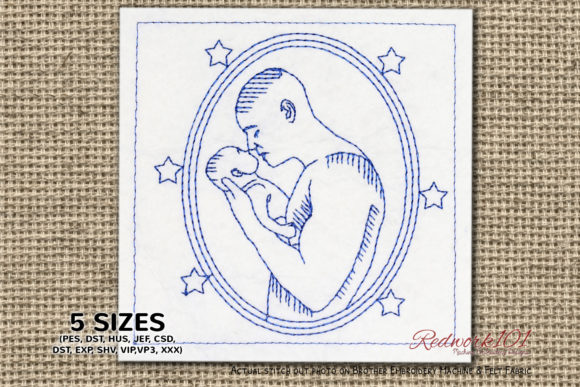
As a professional embroidery designer preparing for a weekend craft fair, the first step is always a critical review of a design’s potential. When evaluating Father Kissing Boy for my booth, my immediate impression is one of soft, heartfelt charm. This isn’t a bold or minimalist graphic; it’s a warm, decorative piece that speaks directly to emotion. The title alone suggests a narrative of love and tenderness, which translates visually into a design that feels cute, sentimental, and inherently giftable. This mood is a powerful starting point for handmade market products.
Where Father Kissing Boy Stands Out on the Sales Table
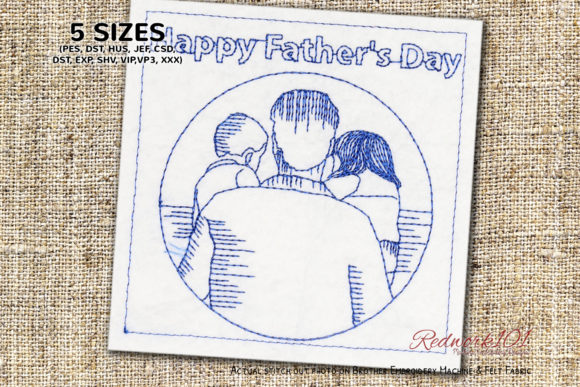
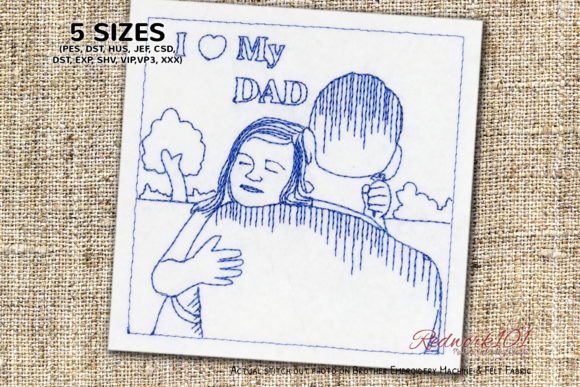
Visual appeal at a craft fair is about quick comprehension and emotional pull. Father Kissing Boy excels here. In a busy booth, customers scanning a table of embroidered tote bags, aprons, and pillow covers will notice this design because it tells a simple, universal story at a glance. It doesn’t require explanation. For Father’s Day themed products, it’s a natural focal point, but its theme of parental love makes it relevant year-round for baby gifts, family celebrations, or simply as a decorative element.
Thinking practically about my display, I see Father Kissing Boy performing exceptionally well on certain items. For tote bags and market bags, it acts as a large, central design that adds significant perceived value, turning a utilitarian item into a special gift. On aprons and kitchen towels, placed tastefully on a pocket or corner, it injects a personalized, homemade feel that buyers love for gifting. As an embroidered patch, it becomes a versatile product itself, appealing to those who want to customize their own items. For smaller, giftable pieces like fabric pouches or pillow covers, it serves as a beautiful focal point that elevates the entire product.
Practical Production for the Busy Maker
Turning a digital embroidery file into a profitable craft fair product requires considering production ease. Father Kissing Boy appears to be a cohesive, high-quality design, but as an experienced designer, I always advise testing first. The description mentions it’s “lovel,” hinting at a loving theme, but doesn’t specify technical details. Before any batch production, you must check the supplied embroidery file for critical points.
Stitch density and tiny details are paramount. A design with very dense stitching or minuscule elements can be time-consuming to embroider and might not translate well to textured fabrics like towels or curved surfaces like caps. Always test on scrap fabric identical to your final product—a tea towel, a canvas tote, a cotton cap. This reveals how the design behaves with the proper stabilizer and whether any small lettering or fine lines lose clarity.
Consider the hoop size required. A larger design meant for a tote bag might not reduce well for a small pouch without losing detail. Conversely, a smaller design file might not scale up elegantly for a pillow cover. Verify this before committing. Also, thread contrast is key. This sentimental design likely relies on clear definition between elements. On dark fabrics, a careful color choice for threads is essential to maintain its soft appeal. Always create at least one real mockup to see how it photographs for your Etsy listings or printable mockups; a clean, well-lit photo of a real product sells far better than a digital preview.
Selling Strength and Buyer Engagement
From a sales perspective, Father Kissing Boy enhances product value and handmade quality perception. It’s not a generic graphic; it feels crafted. This supports brand consistency for small shop products if you specialize in family-themed or heartfelt embroidery. In a booth display, grouping several products featuring this same design—a towel, a pouch, a patch—creates a strong, thematic section that draws buyer engagement. Customers often connect with a story, and this design provides that narrative, encouraging them to stop and consider it for a specific person in their life.
For commercial embroidery and digital sellers, the design’s clear theme makes it an excellent asset for Father’s Day collections, but its usability across multiple product types (bags, home decor, wearables) increases its value. However, a final, crucial note: always confirm commercial licensing before selling finished products. The product description provided does not detail license terms. Assuming you have the correct license to use the embroidery file for commercial handmade products is a foundational step for any creative entrepreneur.
Final Recommendations for Your Craft Fair Booth
To maximize Father Kissing Boy at your next event, focus on products where its emotional resonance and decorative quality shine. Prioritize tote bag design and pillow covers as larger statement pieces. Offer embroidered patches as a lower-cost, versatile option. Use tea towel embroidery or a simple apron as a functional, mid-price item. When producing, batch embroidery on similar fabric types to streamline your process, but always factor in the time for potential stitch density. Display these items together in your booth to tell a visual story. The Father Kissing Boy design, with its inherent warmth, has the potential to be a quiet standout—a product customers notice, understand instantly, and purchase because it feels like a piece of love made tangible by your craft.