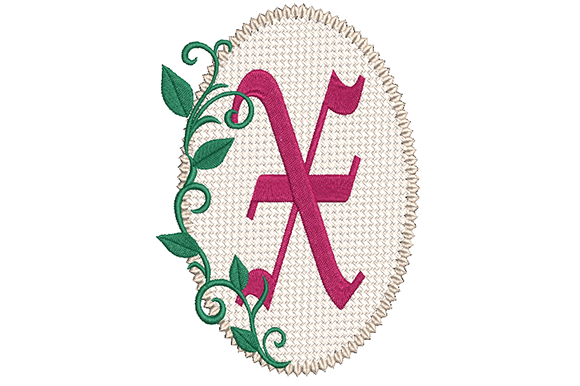
An Olde English Monogram Letter X Design Review
As a designer who regularly selects embroidery files for client work and my own small shop products, my first step is always to look beyond the marketing description and envision how a design will actually stitch out. Today, I’m considering the Olde English Monogram Letter X, a file categorized as a Wedding Monogram, for practical use.
The Immediate Mood and Visual Personality
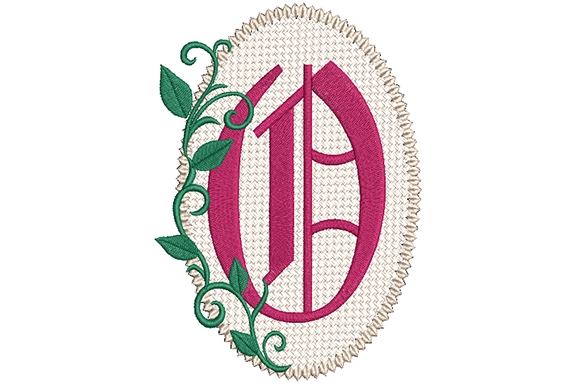
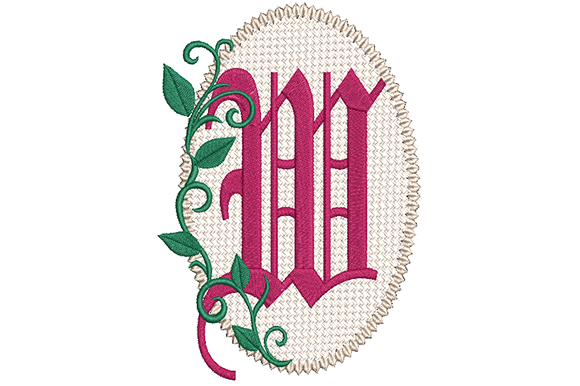
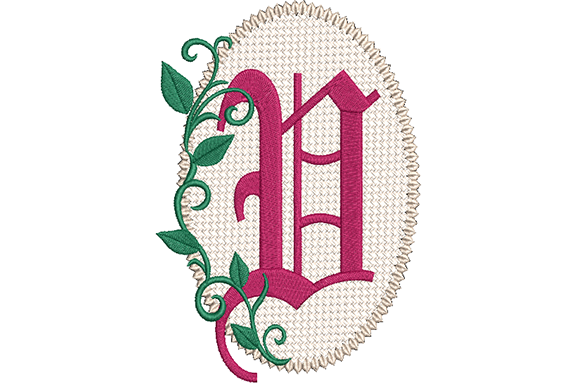
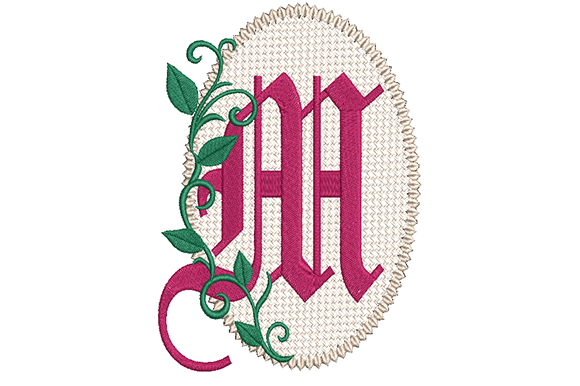
The Olde English style carries a certain weight—it’s traditional, elegant, and feels established. This particular ‘X’ design isn’t overly sharp or aggressive; it has a rounded, flowing quality with lovely details in its curves. It creates a mood of heritage and refinement, which is perfect for projects that need a touch of timeless personality rather than modern simplicity. It feels less like a stark logo and more like a decorative emblem.
This visual personality makes it a natural fit for items where the embroidery itself is the focal point of the gift or product. Think of a classic pillow cover for a wedding present, the centerpiece on a linen kitchen towel for a boutique, or a beautifully personalized tote bag. It belongs on fabrics where the texture can complement its detail, like cotton twill, linen, or a heavyweight cotton sweatshirt.
Where This Design Performs Beautifully
In real-life embroidery situations, this monogram’s strength is in its application to statement items. I’d confidently use it on custom apparel like blazers or denim jackets where the scale is larger. It would stitch out beautifully as a single, impactful element on a baby blanket or nursery decor item, giving a handmade heirloom feel. For small business merchandise, such as an apron for a gourmet shop or a tea towel set, it elevates the product’s perceived value instantly.
The mention of a knockdown stitch is a practical plus. For crafters and apparel decorators working with fluffy fabrics like fleece or terry cloth for hoodies or baby items, a knockdown stitch helps flatten the fabric surface first, ensuring the subsequent satin and fill stitches of the monogram lay cleanly and sharply. This detail suggests the designer thought about real-world application, which I appreciate.
Proceed with Caution: Considerations for a Smooth Stitch-Out
While beautiful, an Olde English design with this level of character demands careful planning. The intricacy in the curves means small hoop sizes could be a challenge. I would not attempt this on a tiny area of a cap’s curved surface unless I was certain the smallest details could be rendered clearly without thread breaks or merging.
Stitch density is a key consideration. On thin or stretchy fabrics like a standard t-shirt, a dense design can cause puckering or distortion. Using proper stabilizer—and likely a combination of techniques—is non-negotiable here. Also, on dark fabric backgrounds, the visual appeal relies entirely on thread color contrast. A pale thread on a black sweatshirt will make those lovely features pop, but a poorly chosen mid-tone could lose the design’s definition.
A Real Project Scenario: The Boutique Tote Bag
Imagine preparing a batch of canvas tote bags for a small shop. You want each bag to have a unique, personalized monogram for a customer’s name. You choose this Olde English Letter X for a client named Xavier. Before stitching, you test it on scrap canvas first. You check the stitchout for any overly dense areas that might make the bag stiff, and you confirm the hoop size accommodates the design without needing to resize it, which can alter stitch integrity. The final result is a tote that looks professionally crafted, not just decorated. It boosts customer trust in your handmade presentation and makes the product highly giftable.
Impact on Your Craft Business and Client Projects
Using a well-executed embroidery file like this affects more than just the stitchout. For Etsy sellers and creative entrepreneurs, it contributes to brand consistency if your shop specializes in classic, personalized goods. The recognition of a quality monogram can turn a simple embroidered patch into a sellable design asset for others. In printable mockups for digital product sellers, this ‘X’ presents as a professional, ready-to-use element.
For commercial embroidery projects, such as a run of pillow covers for a wedding planner, this design adds a layer of professionalism that clients notice. It moves beyond a basic letter to a thoughtful design choice, which enhances buyer engagement with the finished product.
Essential Designer Notes Before You Stitch or Sell
My practical advice, after reviewing countless embroidery files, is always to treat even a promising design like this with a methodical approach.
- Test on Scrap: Always stitch the design on a scrap of your target fabric first. This reveals how it handles the texture and whether stabilizer choices are correct.
- Check Color Contrast: Review the design in both black and white digital mockups, or mentally visualize it on light and dark backgrounds. This helps plan thread colors for maximum clarity.
- Inspect the Details: On your test stitchout, look closely at the smallest curves and corners. Are they clean? This is critical for maintaining the design’s elegant mood.
- Confirm Licensing: Before selling any finished items or using the file in commercial embroidery, verify the license terms. Not all digital embroidery files are cleared for commercial use.
- Respect the Scale: This design likely thrives at a moderate to larger size. Resizing it significantly could compromise the stitch density and detail level.
Finally, remember that a “very beautiful embroidery design that will stitch out beautifully” is a promise that your machine and your skill bring to life. The Olde English Monogram Letter X has the foundational lovely features to make that happen, especially for wedding-centric gifts, boutique products, and personalized apparel where its traditional elegance is a perfect fit. Approach it with practical preparation, and it can become a reliable asset in your embroidery project library.