A Review of the Three Fresh Lady Finger Redwork Embroidery Design
As a professional embroidery designer, I often evaluate digital embroidery files not just as art, but as tools for business branding. Today, I’m looking at Three Fresh Lady Finger Redwork, a design that immediately stands out for its niche appeal and clean execution. This review will focus on its potential as a branded asset for small businesses looking to elevate their merchandise, uniforms, and product presentation.
First Impression: Rustic Charm with Modern Cleanliness
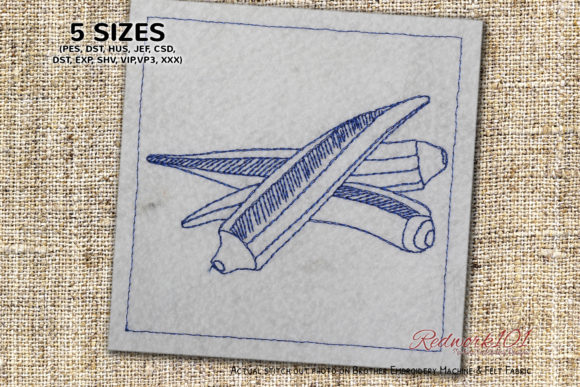
The title Three Fresh Lady Finger Redwork suggests a design rooted in tradition—the "redwork" technique hints at a classic, single-color aesthetic—yet the subject matter is specific and fresh. The described lady finger vegetable, with its longish, slim, slightly bent form, promises a design with graceful lines. My initial assessment is that this design balances rustic charm with modern cleanliness. It feels friendly and approachable, perfect for businesses wanting a handmade, authentic presentation without sacrificing professionalism. It’s not overly bold or playful; instead, it leans elegant and decorative, which can add perceived value to a product or uniform.
Real-World Business Applications for Your Brand
For a café, bakery, health-focused shop, or any business tied to fresh, wholesome ingredients, this embroidery file is a natural fit. Let’s explore specific applications.
Embroidered Patches for Product Labels & Merchandise
A patch created from Three Fresh Lady Finger Redwork could serve as a superb product label for handmade goods. For an Etsy seller of organic teas or a boutique with locally sourced food items, stitching this onto a linen bag or attaching it as a cloth tag instantly communicates quality and care. The "three fresh" element implies abundance and natural goodness, strengthening brand identity.
Uniform & Apparel Accents for Staff & Customers
Consider this design for apron embroidery in a kitchen or café, or as a subtle cap embroidery detail for a gardening or farm-focused brand. On a staff polo shirt as a sleeve detail, it becomes a recognizable team marker. For customer-facing roles, such a design fosters trust through its clean, wholesome visual. It’s also ideal for tote bag designs, transforming a simple bag into branded merchandise for events or customer gifts.
Enhancing Packaging & Premium Presentation
Beyond apparel, this design can be embroidered directly onto fabric wraps, tea towel edges, or premium napkins used in packaging. For a florist or creative studio with a food-related side project, it adds a tactile, high-value accent. It elevates a simple product into a handmade product experience, increasing engagement and visual consistency across your brand assets.
Practical Considerations for Successful Embroidery
Turning a digital embroidery file into a flawless finished product requires planning. Here are key notes for business use.
Testing for Size and Placement
The intricate, tapering ends of the lady fingers mean you must test this design at a small patch size first. Before committing to a large production run for custom apparel, stitch it out at your intended size—perhaps for a cap front or a small chest logo. Check if the details remain clear and the spacing between elements is sufficient. Always create a mockup for client approval, using a printable mockup or a physical sample.
Thread Color and Fabric Compatibility
While the description suggests a traditional redwork (likely a single color), consider thread color contrast against your fabric. On dark uniforms like black aprons, a single red might not pop; you might test a lighter thread or ensure your stabilizer choice is robust. Always test on real fabric—the texture of a canvas tote bag versus a smooth polo shirt affects the stitch appearance. Proper stabilizer is non-negotiable for crisp results.
Navigating Design Limitations
Use Three Fresh Lady Finger Redwork carefully on curved surfaces like cap fronts, as the elongated shapes may distort. High stitch density in the outlines could be a concern for lightweight fabrics; confirm the design’s stitch density details with the file provider. For items needing frequent washing, like work shirts, a well-embroidered design with secure stitches will maintain your brand’s professionalism over time.
Impact on Brand Identity & Commercial Value
This isn’t just decoration. Implementing this design strategically affects how your business is perceived.
It reinforces a niche identity—immediately associating your brand with freshness, health (as noted, ladyfinger is good for digestion), and specific cultural or culinary authenticity. This builds customer recognition. On uniforms, it signals a cohesive, professional team. On merchandise, it increases the product value, making a simple tote bag feel like a curated, branded item. For a small business, such consistent visual assets across small business merch, from aprons to patches, solidify your market position and foster buyer engagement.
Final Designer Notes Before You Proceed
- Test in black and white first: Even if you plan colorful thread, a monochrome test reveals the design’s structural integrity and detail clarity at your chosen hoop size.
- Compare it beside other design assets: Does Three Fresh Lady Finger Redwork harmonize with your logo or other brand graphics? Visual consistency is key.
- Confirm commercial licensing: Before any commercial embroidery project, verify the digital embroidery file’s license terms for business use. This is a crucial, often overlooked step.
- Review the provided details: The product description gives visual clues but not technical specs. Always check with the file seller for exact stitch counts, recommended hoop sizes, and file format compatibility with your machines before production.
In conclusion, Three Fresh Lady Finger Redwork is a specialized but powerfully evocative machine embroidery design. For the right business—one rooted in food, freshness, and handmade ethos—it can become a cornerstone of your branded merchandise, adding tangible value and authenticity to every item it graces.