A Designer's Review of the Red Gingham Adorable Baby Bib
As a professional embroidery designer, I spend a lot of time testing new designs before they ever reach a customer. It's not just about stitch quality; it’s about envisioning a finished personalized product. Today, I'm reviewing the Red Gingham Adorable Baby Bib Small design, imagining it applied to actual gifts for a shop. My goal is to see if this embroidery file has the charm, practicality, and emotional pull to become a staple in a personalized gift business.
First Impression: Classic Charm with Modern Sweetness
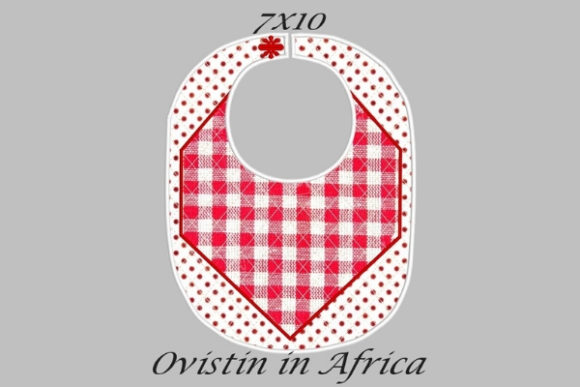
The mood of the Red Gingham Adorable Baby Bib Small is immediately classic and sweet. The gingham pattern evokes a sense of timeless, handmade warmth, while the "adorable" element suggests a playful, tender detail. It feels neither overly fussy nor too simplistic—it strikes that perfect balance for a nursery item. The emotional appeal is strong: it’s nostalgic and cozy, perfect for celebrating a new baby. For a customer seeking a meaningful embroidered gift, like a baby blanket or nursery pillow cover, this design offers a foundation of gentle charm that personalization will amplify.
The Versatility of a Single Design
A great machine embroidery design can be a versatile engine for a small business. The Red Gingham Adorable Baby Bib Small isn't just for bibs. Its aesthetic opens doors to numerous product lines.
Imagine this design, perhaps with a baby's name added, on a luxurious baby blanket for a christening gift. Consider it embroidered on a linen kitchen towel, transformed into a cherished "new home" or "new baby" gift from a friend. It could anchor a custom tote bag for a mother, a pillow cover for a nursery, or even a simple apron as a sweet gift for a grandmother. For wedding gift designers, adapting this motif onto a keepsake towel or pillow cover with the wedding date could beautifully bridge the theme of new beginnings.
For Etsy sellers and craft fair vendors, this design is a fantastic base. You can create a whole collection: the bib itself, a matching burp cloth, a decorative wall hoop, and a personalized towel. It allows for custom order previews where clients can choose thread colors to match their nursery palette. The classic red gingham makes it seasonal-friendly for holidays, yet its clean look keeps it modern enough for year-round appeal.
Where This Design Requires Careful Application
While versatile, certain applications demand extra attention. Any small lettering or delicate details within the design need to be tested thoroughly on scrap fabric first. Stitch density and proper stabilizer will be crucial on textured fabrics like the towel backing described, or on thick materials.
Applying it to stretchy baby clothes or garments with curved surfaces (like the bib itself) requires a stable hooping technique and likely a washable stabilizer to prevent distortion. If a client requests it on dark fabric, thread color contrast becomes paramount—you may need to adjust the default palette. Finally, since many of these products, like bibs and towels, need frequent washing, testing the durability of the stitches and choosing robust threads is a non-negotiable step.
Impact on Business: Giftability and Customer Trust
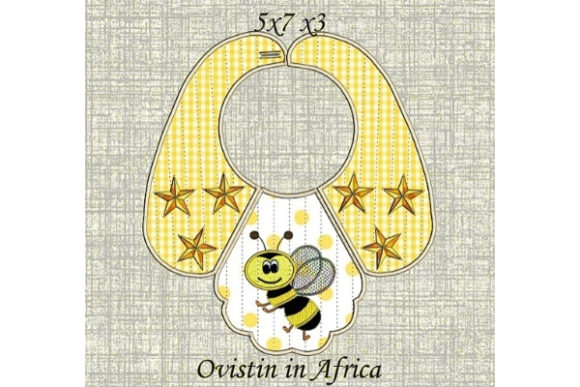
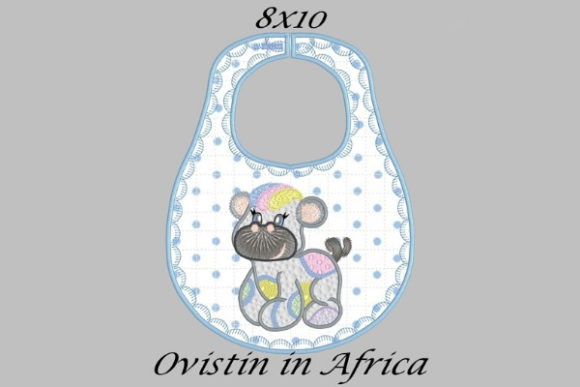
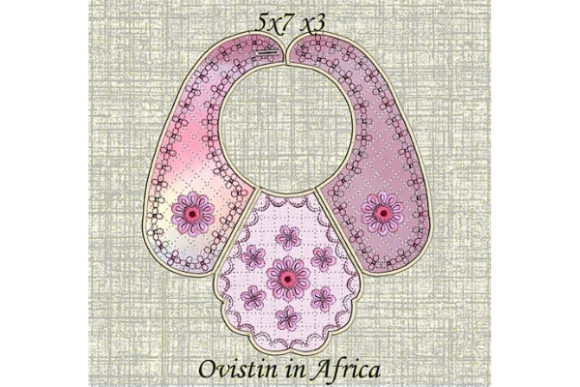
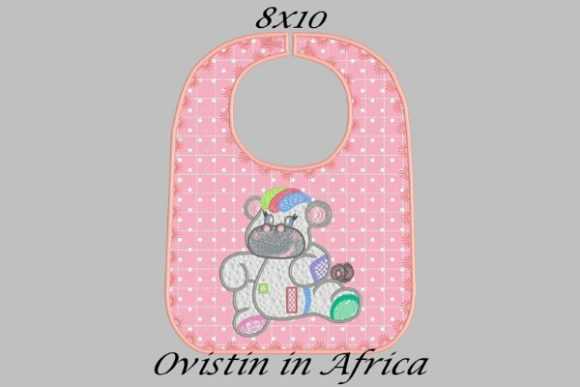
From a business perspective, the finished product using this design scores highly on giftability. It feels thoughtful and special. The described double applique and batting inlay suggest a structure that enhances perceived value—customers see the layers and detail, understanding it’s not a simple, flat embroidery.
This craftsmanship directly builds customer trust. When a handmade product shows careful construction, it validates the seller's skill. The emotional connection is already baked into the theme, making product photography more engaging. Photos showing the bib alongside a matching embroidered blanket or towel create a story, increasing buyer engagement and the likelihood of a larger order.
For digital embroidery file sellers, offering a printable mockup of this design on various products (bib, towel, pillow) can help buyers visualize the end result, boosting sales of the digital product itself.
Practical Embroidery Notes for a Successful Test
Before running this on any real customer order, here’s my checklist from the designer’s chair:
- Always test on scrap fabric identical to the final product material—especially that towel backing.
- Check thread color contrast against both light and dark fabric mockups, even if the design defaults to red.
- Confirm the required hoop size for the design; an incorrect size can ruin scale and detail.
- Review stitch density in the file preview; high density on thick fabrics may need adjustments.
- Use the proper stabilizer for the fabric. A towel likely needs a sturdy cutaway.
- After stitching, meticulously check all small details for clarity and completeness.
- Most critically: confirm the commercial licensing terms for the embroidery file before selling any finished products. This ensures your small shop product is built on a legal foundation.
Final Thoughts for the Gift Shop Planner
The Red Gingham Adorable Baby Bib Small design holds substantial promise for a personalized gift business. Its classic, sweet aesthetic provides a versatile canvas for baby embroidery, wedding gifts, and family keepsakes across numerous products. The key to success lies in respectful application—acknowledging the challenges of different fabrics and committing to rigorous testing.
When executed well, this design elevates a simple bib into a cherished heirloom. It can transform a basic towel into a meaningful custom embroidery gift. For the Etsy seller or baby product creator, it represents a theme that resonates deeply with buyers, building a reputation for quality and thoughtfulness. In the end, the best designs are those that stitch emotion into every thread, and this one, with its careful planning, seems poised to do just that.