A Designer's Review of the Christmas Coaster Embroidery
As an embroidery designer, I always test a new design file with a practical eye before it ever touches a customer’s project. My review begins on the screen, imagining it stitched out on real fabrics destined for real homes. Today, I’m looking at the Christmas Coaster machine embroidery design. This is a prime example of a simple, charming seasonal design that could become a staple for makers of personalized gifts. Its straightforward nature is its greatest strength, but also calls for careful application.
First Impression: Classic Charm for Seasonal Keepsakes
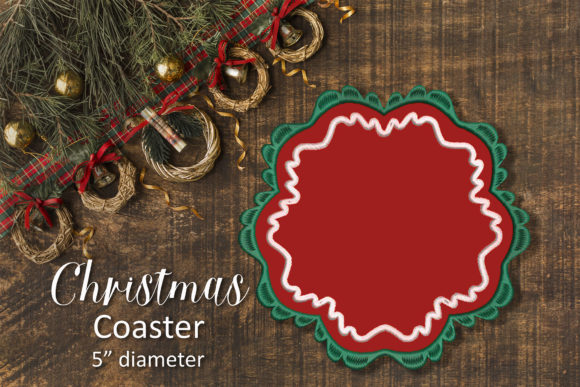
The Christmas Coaster design immediately strikes me as a classic, sweet motif. With only two main colors, its mood is clear and uncluttered—it feels handmade and warm, not overly complex. This simplicity is perfect for creating that timeless, seasonal look that customers seek for holiday decor and gifts. The emotional appeal is direct: it’s nostalgic and cozy. It wouldn’t feel modern or avant-garde, but for a handmade product like a holiday kitchen towel or a festive pillow cover, that’s exactly the charm you want. It whispers “Christmas” in a gentle, decorative way.
The Versatility of a Simple Holiday Design
This design’s low stitch count and clear aesthetic open up a wide range of applications for crafters and small businesses. I envision it beautifully on:
- Baby embroidery and nursery items, like the corner of a holiday-themed blanket.
- Wedding gifts for December celebrations, embroidered on a pillow cover for a newlywed couple.
- Family keepsakes, such as personalized holiday aprons or tree-skirt details.
- Embroidered towels and kitchen linens as quick, profitable craft fair products.
- Custom tote bags for holiday shopping or as gift packaging itself.
- Pillow covers and blanket embroidery for a coordinated home decor look.
For Etsy sellers and digital product sellers, this embroidery file could be paired with printable mockups to show potential buyers how it would look stitched. It’s an excellent candidate for custom order previews because the result is so predictable and clean.
Where to Use This Design With Extra Care
While versatile, the design’s simplicity requires attention to context. The product description notes it needs a 5" x 7" hoop or at least 5" on the shorter side, which is a common size, but it’s crucial to match the hoop to the product. Here are specific scenarios where you must test first:
- Small lettering or delicate details: If the design includes any fine text, you must stitch it out on scrap fabric to ensure readability.
- Textured or thick fabrics like terry cloth towels: Here, a proper stabilizer is non-negotiable to prevent puckering.
- Stretchy fabrics like baby clothes: You need to consider the stitch density and stabilization to avoid distortion.
- Curved surfaces or small areas: Ensuring the 5" diameter fits the intended placement is key.
- Dark fabric: The two thread colors must have enough contrast to pop. Always compare light and dark fabric mockups.
- Products needing frequent washing, like kitchen linens: Check the small details after a wash test to ensure durability.
The description also states it has to be made the same as a patch due to its low stitch count. This is a vital clue—it suggests the design might be best applied where a patch-like appliqué effect is desired, or on very stable base fabrics.
How Christmas Coaster Enhances Your Product’s Giftability
From a small shop product perspective, this design directly boosts giftability. Its clear, festive theme makes the finished item feel purposefully crafted as a gift. The perceived value of a custom embroidery item with a clean, classic design is high. It builds customer trust because the result looks professional and intentional. The handmade quality is evident without appearing messy.
It fosters an emotional connection—a baby blanket with this coaster design becomes a specific “first Christmas” keepsake. For product photography, a design like this, stitched on a crisp white towel or a soft pillow, photographs beautifully and clearly, which drives buyer engagement on online marketplaces. It tells a simple story.
Practical Embroidery Notes for a Successful Stitch
Before running this file for any customer order or commercial use, follow these steps:
- Always test on scrap fabric identical to your final product fabric.
- Check the actual thread color contrast against your chosen fabric—don’t rely only on the screen.
- Confirm your hoop size matches the 5" diameter requirement and fits your target item.
- Review the stitch density on your test piece. A low stitch count can be great for speed, but may require adjustments on dense fabrics.
- Use the proper stabilizer for your specific fabric texture. A towel needs a different stabilizer than a baby blanket.
- Create both light and dark fabric mockups in your software to visualize the final product.
- After stitching, inspect all small details closely. Are they clean and complete?
- If you plan to sell the finished products, confirm commercial licensing for the digital embroidery file before starting production.
The product description provides key specs but does not list exact stitch count or file formats. As a professional, I advise you to check your specific file for these details before use. Knowing the total stitch count helps plan production time and thread usage.
A Design for Meaningful, Personalized Moments
In my final assessment, the Christmas Coaster design is a reliable, charming tool for makers. It’s not a flashy, intricate piece, but a versatile, emotional accent. It would attract customers looking for a touch of handmade holiday warmth—parents wanting a special baby embroidery item, friends seeking a wedding gift with a seasonal twist, or anyone wanting to personalize their home decor. It’s a design that, when applied with the practical care outlined above, turns a simple towel, pillow, or blanket into a meaningful seasonal keepsake. That’s the true power of a well-executed machine embroidery design.